• Welcome to the Bideford & District Community Archive

    Welcome to the Bideford & District Community Archive

    ...The Gazette Newspaper 1856 onwards.

    Read More
  • Welcome to the Bideford & District Community Archive

    Welcome to the Bideford & District Community Archive

    ...The Gazette Newspaper 1856 onwards.

    Read More
  • 1
  • 2
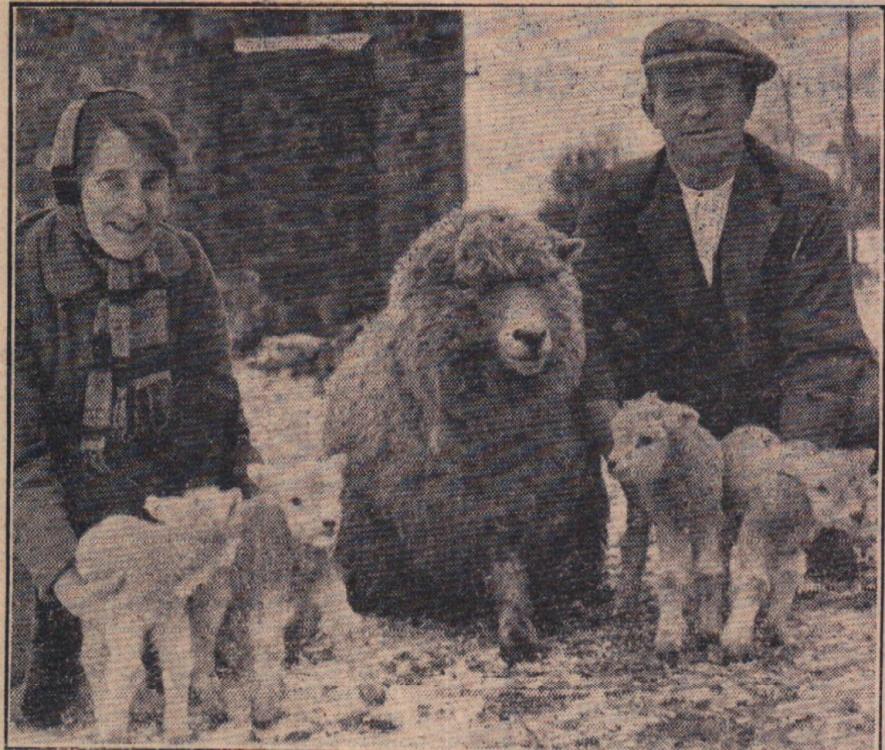
  • 1 They are parted pro-tem

  • 2 Found the answer waiting for him>
  • 3 The cab at the corner>
  • 4 Safe door weighing two tons

  • 5

    Close associations with North Devon
  • 6 Thrush builds nest in cauliflower

  • 7 By pony and trap to market

  • 8 Tibbles home again - and fish supper

  • 9

    Hamburger is part of modern life
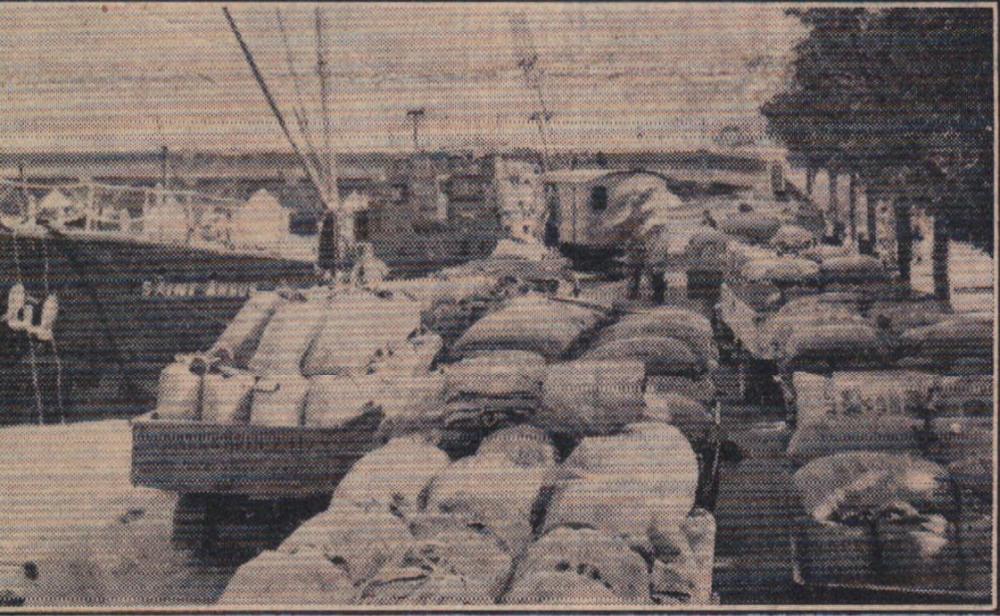
  • 10 Torridge graveyard of wooden hulks

  • 11 Unique holiday adventure!

  • 12 A story to tell!

  • 13 Littleham family's five generations

  • 14 Bicycle now does donkey work

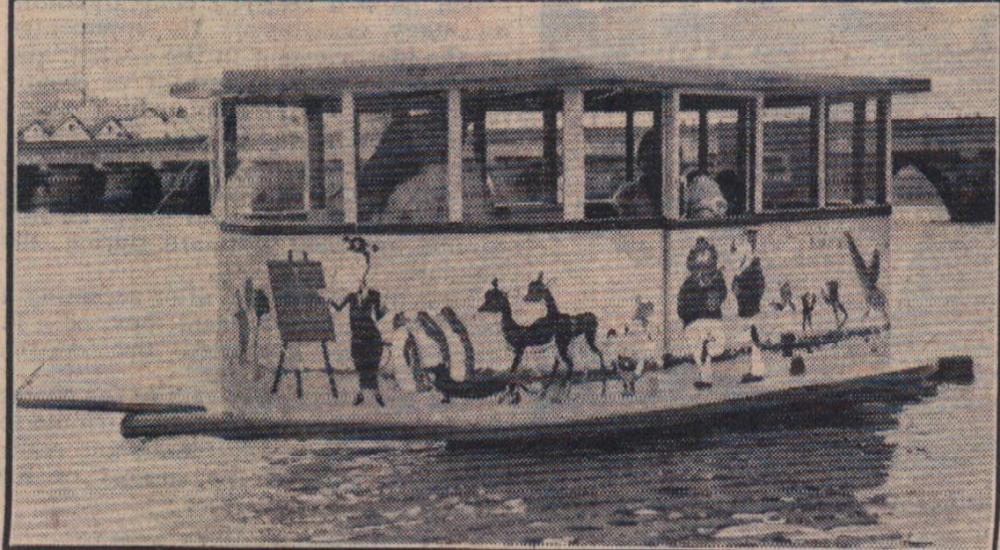
  • 15 All aboard the ark

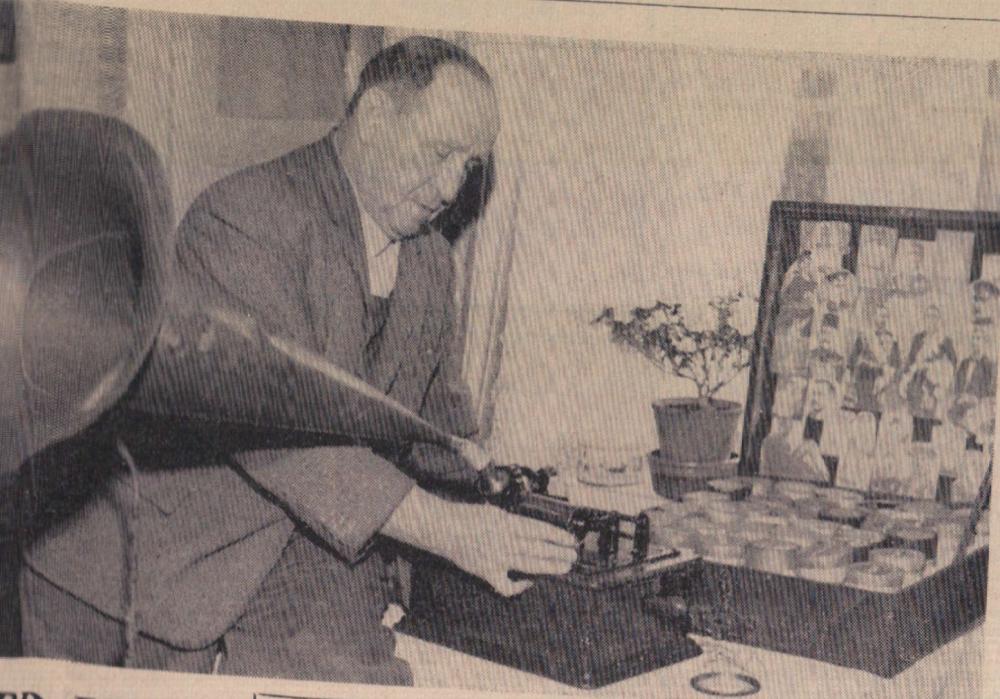
  • 16 Record player of 80 years ago

  • 17 Where Bideford rope-makers walked>
  • 18 Recognise this resort?

  • 19 One of the luckier farmers in getting in the problem harvest

  • 20 Beach search for mines takes longer

  • 21 Reed threshing 'putting the clock back' at Weare Giffard

  • 22 What the television camera saw at Abbotsham

  • 23 Battle of the gap at Westward Ho!

  • 24 Bank Holiday weather was beach weather

  • 25 Appledore schooner broadcast

  • 26 Torrington's new amenity

  • 27 X-ray shoe fitting

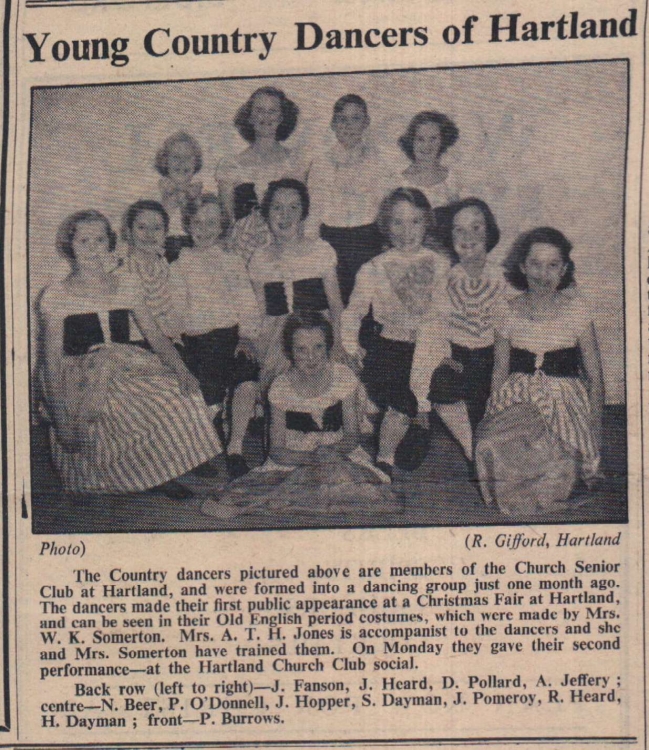
  • 28 Hartland Dancers
  • 29

    Holidaying in north Devon
  • 30 Twenty-one yachts

  • 31 Water Board mains spread through villages

  • 32 No laughing matter

  • 33 The Geneva marionettes

  • 34 Tide sweeps under and over the old bridge

  • 35 Repair work on Long Bridge
  • 36 Capers on the cobbles

  • 37 Light reading for the lighthouse

  • 38 Bideford stock car racing entry comes in second

  • 39 New civic medallions

  • 40 No sale of Springfield House

  • 41 New addition to Quay front

  • 42 Appledore boy is youngest recipient of RNLI vellun

  • 43 TV features Bideford's New Year bread ceremony

  • 44 Variety in summer weather

  • 45 Jalopy joy for children of Shamwickshire
  • 46

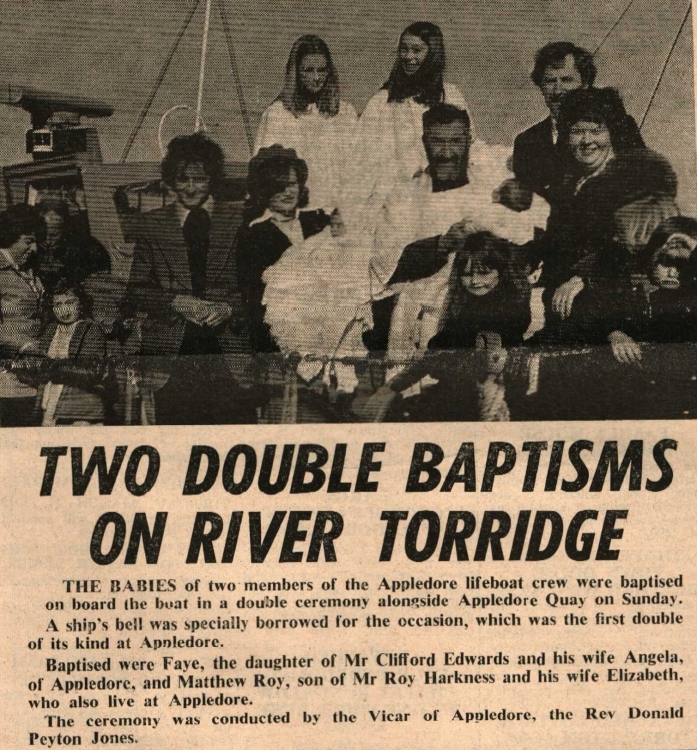
    Double Baptism on Torridge
  • 47 Cement-clad boats being built at Northam

  • 48 Down at the dump something stirs

  • 49 Golden Bay Hotel ad.>
  • 50 Revived market off to splendid start

  • 51 Bideford-Torrington road gets 'carpet coat'

  • 52 End of the line

  • 53 East-the-Water sets town an example

  • 54 Steep street of old Bideford

  • 55 A lost Bideford 'island'

  • 56 Bideford's private wharves busier

  • 57

    Womens Skittles Competition in Buckland Brewer
  • 58 Picking the pops

  • 59 He beat the floods

  • 60 Bideford regatta

  • 61 Royal prince visits Torridge-side

  • 62 New choral society's growing response

  • 63 Diamond Jubilee of St Peter's Church, East-the-Water

  • 64 On her 'maiden' trip from Bideford

  • 65 At Bideford Arts Ball>
  • 66 Farewell to passenger trains

  • 67 No ancient Grecian temple this

  • 68 Little 'Big Ben'

  • 69 Lots drawn to prevent dog fight

  • 70 Getting up steam for tomorrow

  • 71 Instow local art show was 'tremendous success'

  • 72 All for the love of a lady!

  • 73 Students help model St Sidwell

  • 74 Saving money, wear and tear

  • 75 The creative urge on Saturday morning

  • 76 Picture bought for shillings may be worth thousands

  • 77 Emergency ferry services

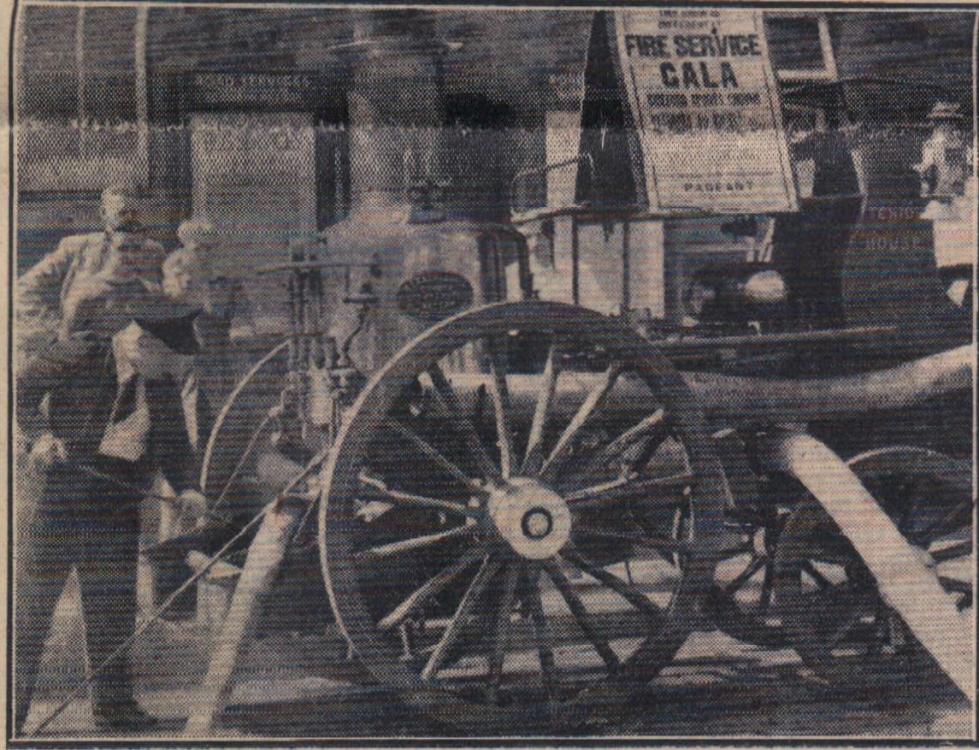
  • 78 Mayor becomes engine driver>
  • 79 Gloves fit for a king!

  • 80 Bideford School Junior Choir Sing in France at Twinning Ceremony in Landivisiau
  • 81 Centenary of Gazette

  • 82 Practical sympathy at Northam

  • 83 Modern living at Bideford

  • 84 Boys from Bideford school complete Ten Tors

  • 85 First ship in 8 years

  • 86 Wine and beer merchants for 150 years
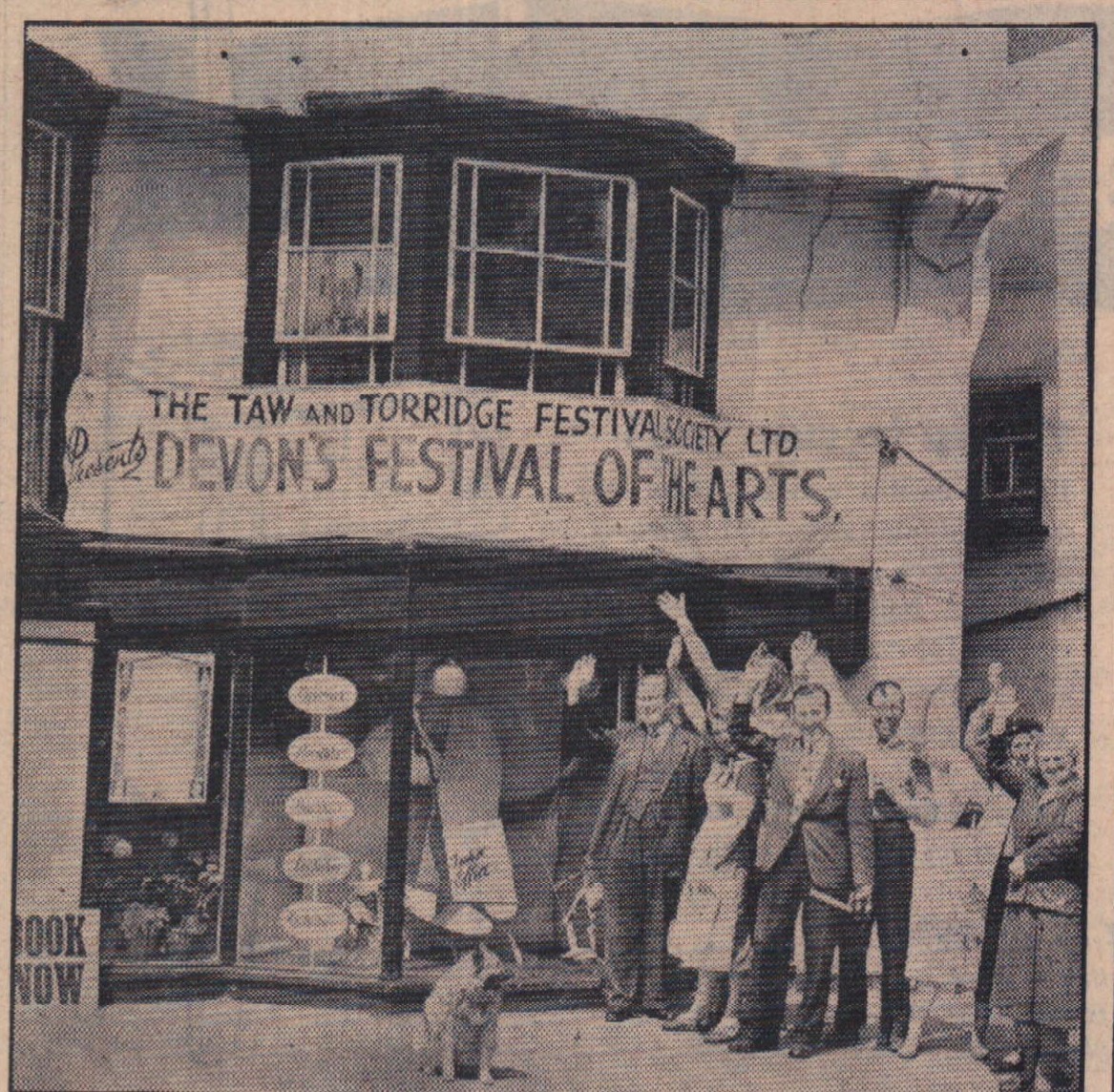
  • 87 Success to Festival of the Arts

  • 88 Torrington to have first woman mayor

  • 89 No ancient Grecian temple this

  • 90 Happy Days!

  • 91 Bideford loses training ship

  • 92 Appledore tugs fete London Tower

  • 93 Fish nearly pulled him in

  • 94 Second Monte Carlo Rally

  • 95 Can-carrying over cobbles has disappeared

  • 96 America's tribute to 'J.H.'

  • 97 Pet squirrels at Monkleigh

  • 98 Bringing shopping home by goat

  • 99 Puppet characters introduced

  • 100 Revenge in style

  • 101 Up-to-date Bideford!

  • 102 Symbol of Lundy independence

  • 103 Eleventh hour bid to save last sailing barge

  • 104 Littleham cow tops 70 tons mark in milk production

  • 105 Westward Ho! public conveniences get go ahead
  • 106 A craftsman's 'potted' history

  • 107 Bideford Liberal club new lounge bar opened

  • 108 Watch the dicky bird!

  • 109 Simple Item 138
  • 110 Tramps camp by riverside throughout arctic weather

  • 111 Photo of town's first car wins prize

  • 112

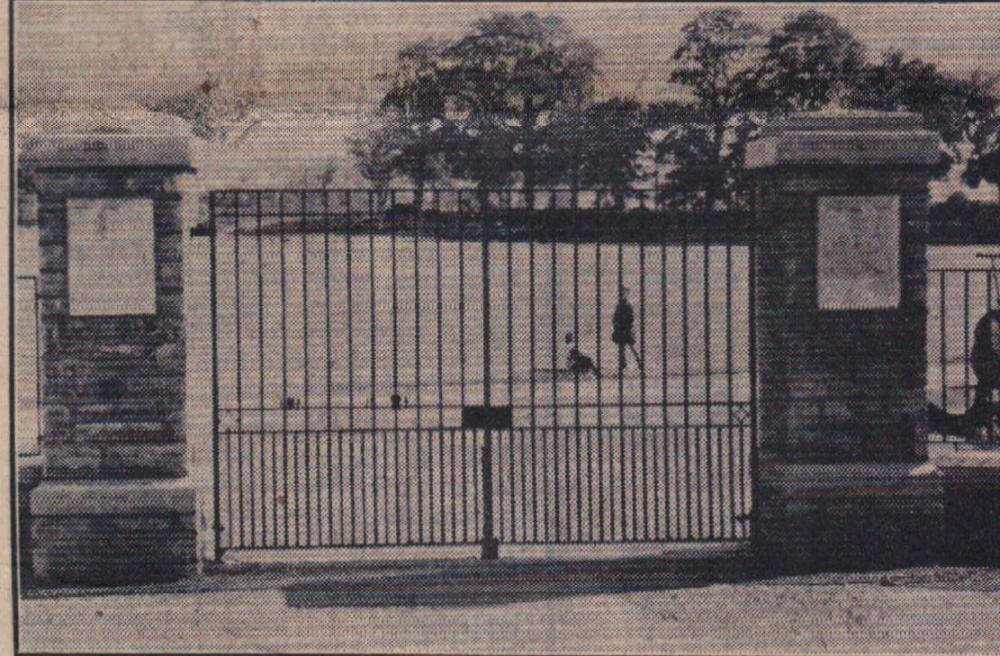
    New gateway
  • 113 Spring-cleaning the Ridge

  • 114 Old Girls revisit Edgehill

  • 115 First steel ship built at Bideford

  • 116 Sailing to victory at Appledore

  • 117 Broomhayes £1,000 Surprise
  • 118 New gateway to King George's Fields

  • 119 Record pebble-throwing day

  • 120 For South Africa from Westward Ho!

  • 121 Television comes to Torridge District

  • 122 Donkey and horses enjoy carnival drink

  • 123 Quads at Thornhillhead

  • 124 Traditions and skills still there

  • 125 Homage to a well-loved sovereign

  • 126

    Bidefordians
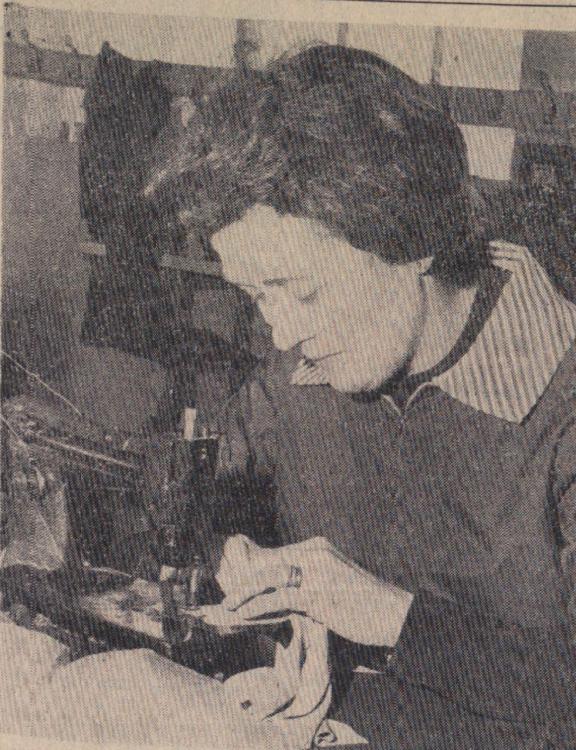
  • 127 Wasps' nest in sewing machine

  • 128 Local glove-making factory advertising for staff

  • 129 New look for Torrington Lane

  • 130

    Cadets are given certificates
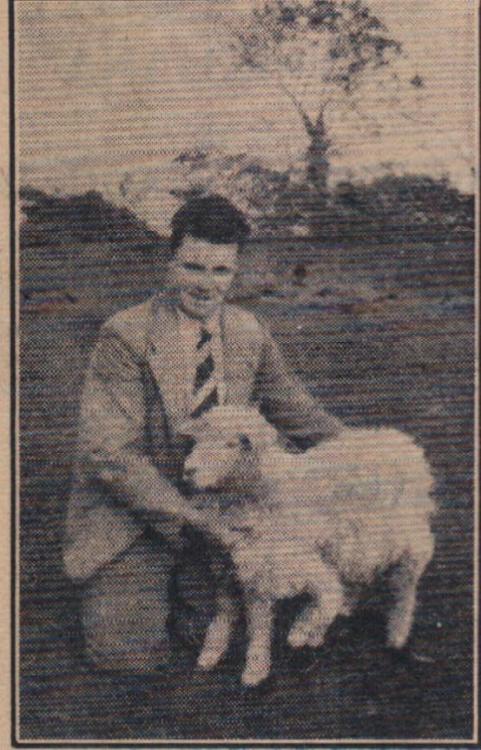
  • 131 Six footed lamb

  • 132 Amsterdam to Bideford double success

  • 133 Inscribed Bibles and silver spoons for babies

  • 134

    Relatives all over the world
  • 135 Picking the pops

  • 136 Parkham plan realised

  • 137 Meeting at 10 Downing Street

  • 138 From Bobby to Brian

  • 139 School's link with cargo ship

  • 140 Torrington school's sundial - fashioned by Headmaster

  • 141 Jumble sale fever

  • 142 Bideford 'What's my line?' challenger

  • 143 Torrington's enterprise's new extensions

  • 144 Waldon Triplets
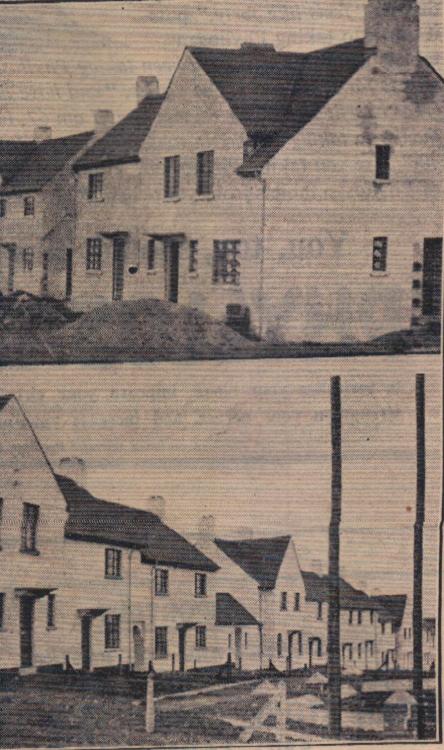
  • 145 Housing progress at East-the-Water>
  • 146 New art gallery opened

  • 147 Broomhayes children will keep their winter pet

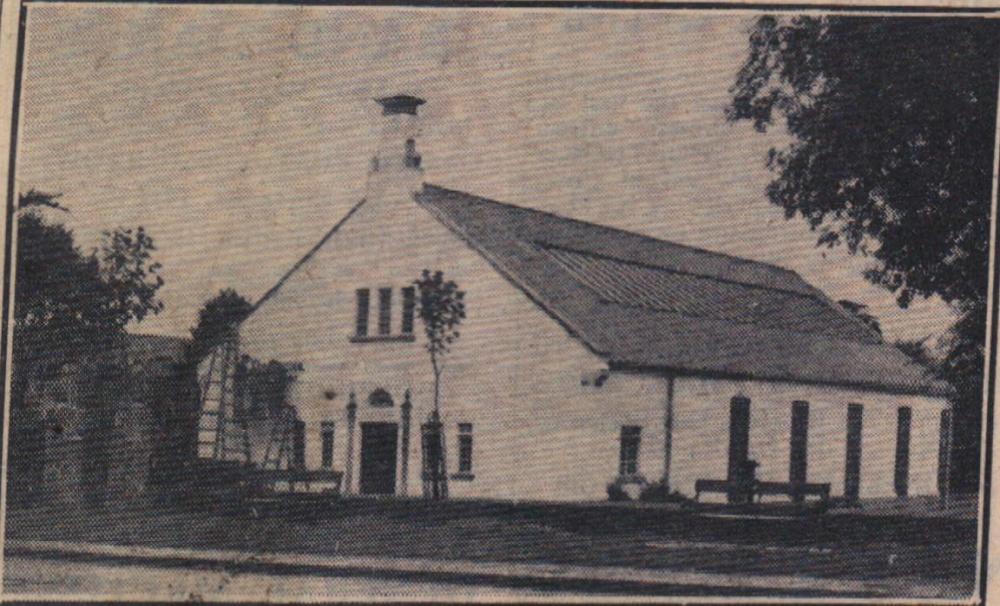
  • 148 Centenary of Landcross Methodist Chapel

  • 149 Royal prince visits Torridge-side

  • 150 River scenes that enchant the visitors

  • 151 Puzzle corner at Bideford!

  • 152 Mobile missionary

  • 153 Fleet of foot and fair of face

  • 154 North Devon author featured in TV documentary

  • 155 Bideford country dancers on TV

  • 156 Four hundred residents leave Bideford!

  • 157 Champagne send-off for Torrington new factory

  • 158 Riverside mystery

  • 159 Out of puff!

  • 160 Charter granted by Philip and Mary

  • 161 New Lundy air-mail stamps

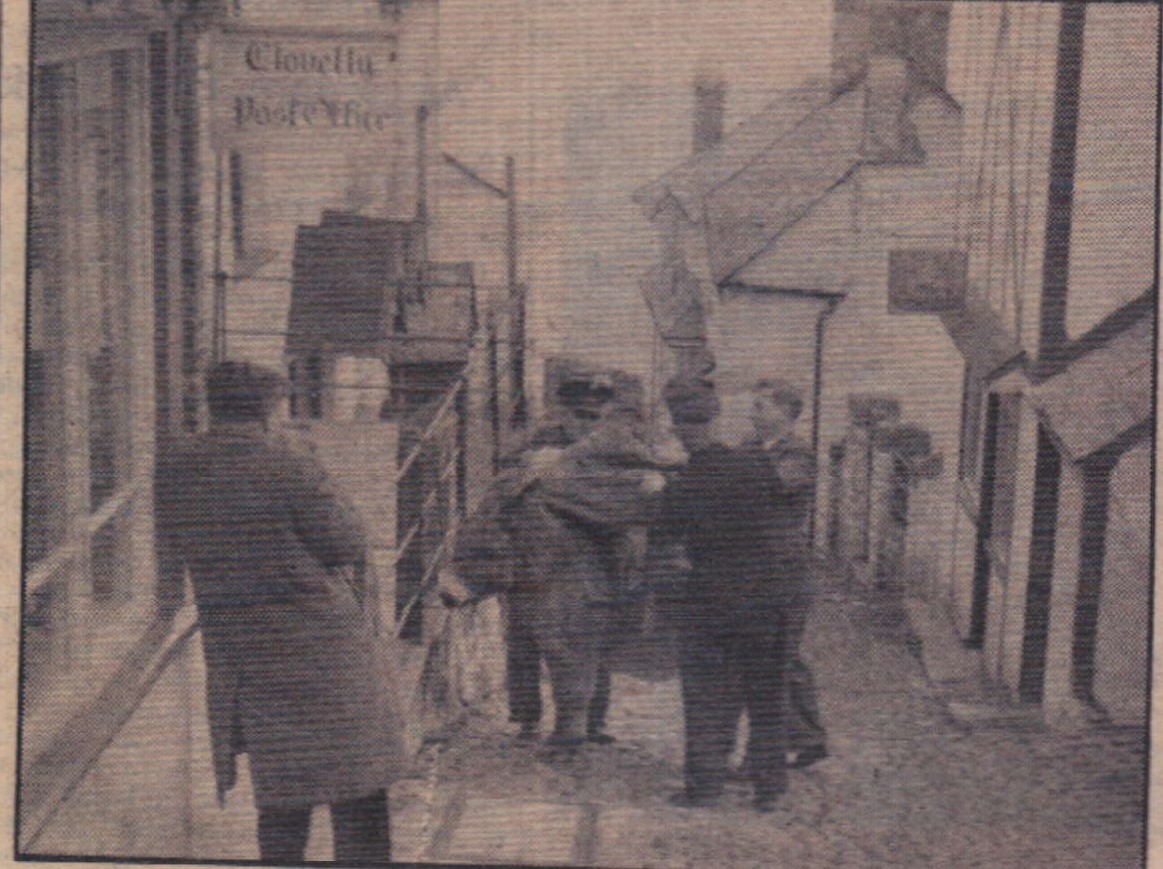
  • 162 Clovelly's 91 year old horseman

  • 163 Loads of black and white

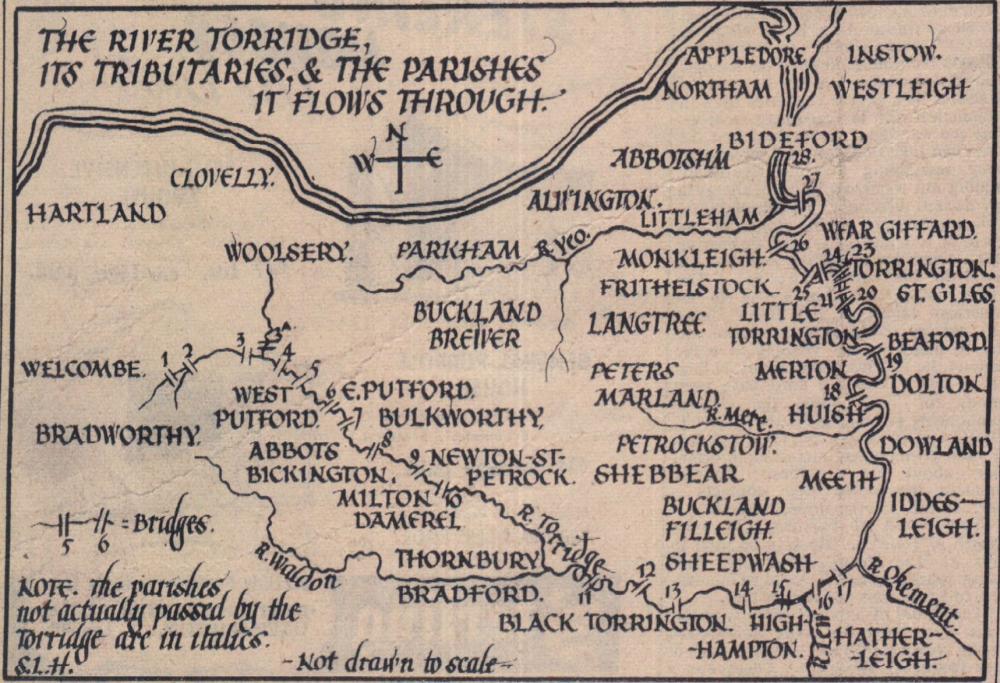
  • 164 Thirty bridges cross Torridge

  • 165 Lady Churchill congratulates Bideford artists at nursing exhibition

  • 166 A bird of their own!

  • 167

    Toasted with musical honours
  • 168 Liked holidays here - so starts business

  • 169 Bravery against bull at Shebbear rewarded

  • 170 Northam loses thatched cottage landmark

  • 171 East-the-Water's call for new school

  • 172 Barley from Bideford to Bonnie Scotland

  • 173 Shipbuilding hobby at Hartland

  • 174 One thousand visit zoo at Whitsun

  • 175 'Out of Appledore' sailing memories

  • 176 Tomorrow' night's skittles broadcast from Bideford

  • 177 Private home for public pump

  • 178 Mural in the whimsical fashion

  • 179 Clovelly custom

  • 180 They set out for Bideford and became lost

  • 181 Daisy's pride and joy

  • 182 Bideford Liberals' fashion show

  • 183 They never miss a game at Torrington

  • 184 Entente cordiale in Bideford

  • 185

    Birgitta Whittaker
  • 186 An early 'special' to Bideford

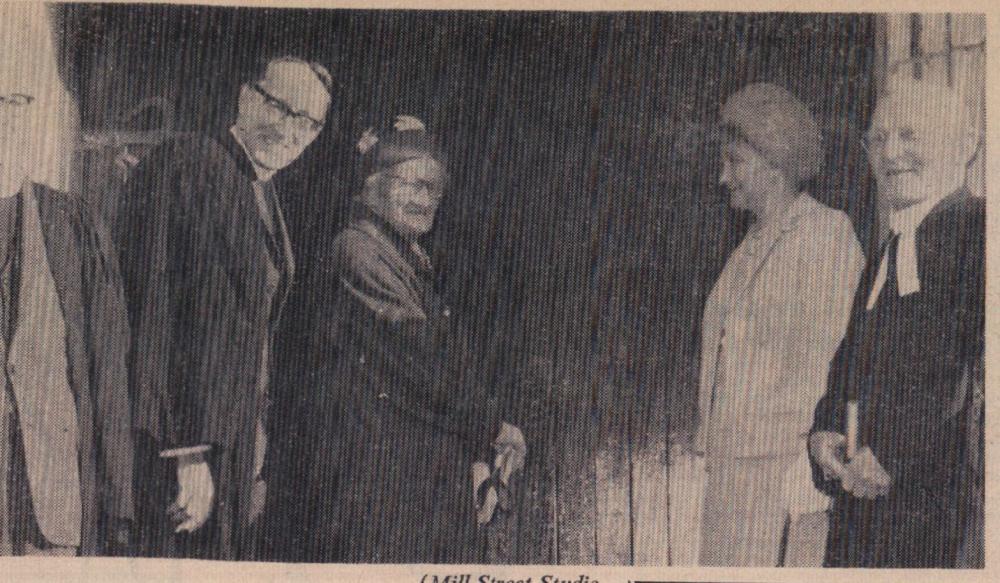
  • 187 Church renovation rejoicing at Northam

  • 188 Cruising down the river

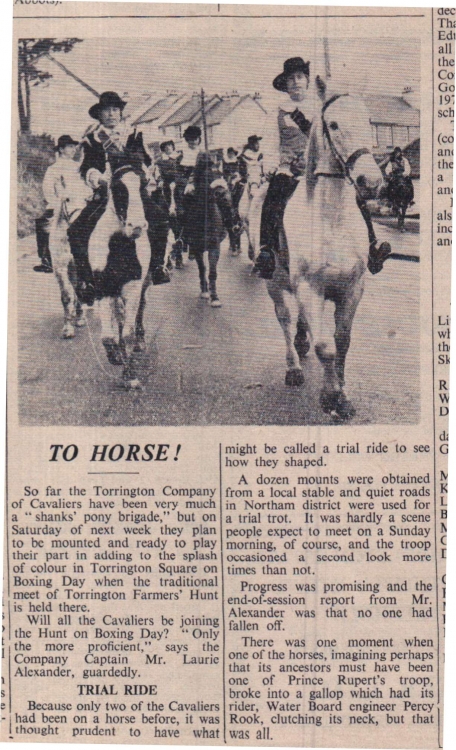
  • 189 Cavaliers join the Hunt
  • 190 Sight of a lifetime

  • 191 Buckland goes to County Show

  • 192 When horses score over the tractor

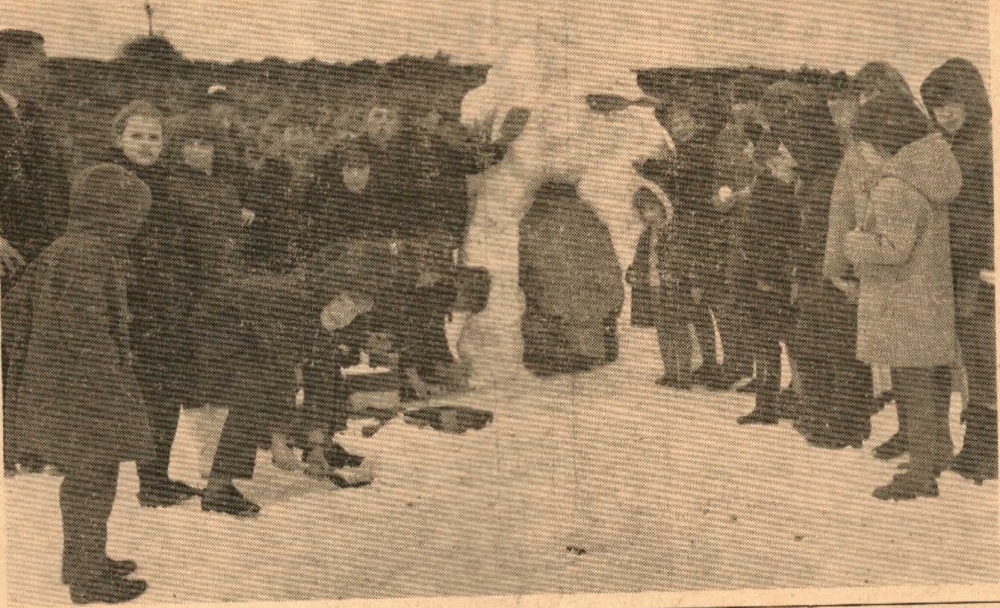
  • 193 Torrington children build igloo
  • 194 Thunderstorm destruction of 25 years ago

  • 195 Just over a year old

  • 196 Weare Giffard potato

  • 197 Allhalland Street - then and now

  • 198 Afternoon tea in the park

  • 199 Alverdiscott is proud of its new parish hall

  • 200 Centuries old but today busier than ever

  • 201 New look in the hayfields

  • 202 Down at the 'Donkey House'

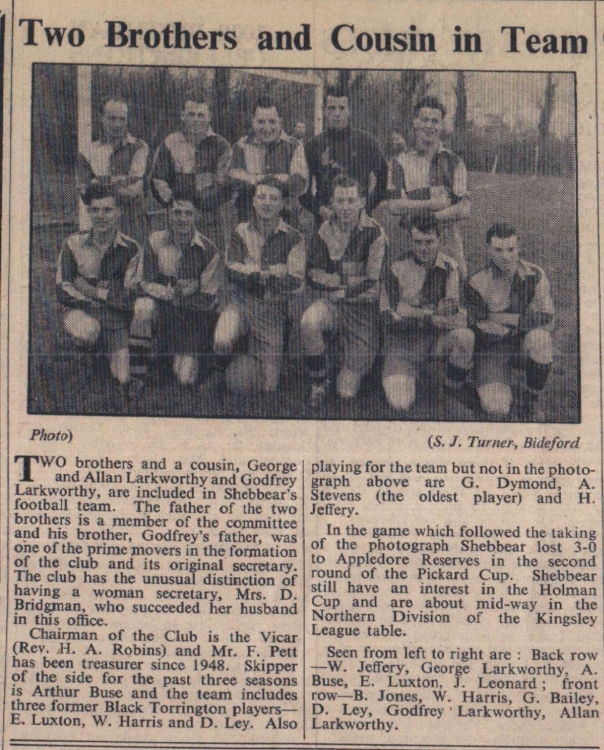
  • 203 Larkworthy Family play in Shebbear's Football Team
  • 204 Ten year old scrambler

  • 205 Speeding communications: Bideford firm's new installation

  • 206 Thorn-apple found in Littleham conservatory

  • 207 Finished in 1876

  • 208

    Lenwood Squash Club
  • 209 Works at craft he learned over 65 years ago

  • 210 Olympic riders to compete at Bideford Horse Show

  • 211 Five generations link Woolsery, Clovelly and Bideford

  • 212 Filming at Hartland

  • 213 Thriving 'orphan of the storm'

  • 214 Train returns to Westleigh straight

  • 215 Two kinds of hovercraft at Bideford

  • 216 Penny for the guy

  • 217 Bideford computer stars

  • 218 Lady Godiva comes to Torrington

  • 219 Malibou boys are all-the-year-round surfers

  • 220 Joe the ginger tabby is 21

  • 221 Sweets derationing

  • 222

    Was a missionary
  • 223 Northam wants to continue pumping from river

  • 224 Alderman Anstey's dream comes tru

  • 225 First tankers arrive at new depot

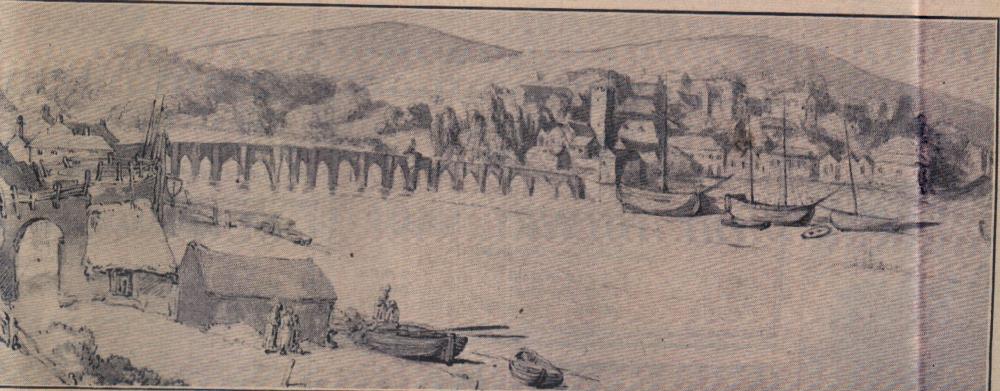
  • 226 Bideford - as Rowlandson saw it about 1810-15

  • 227 Grenville House for Bideford R.D.C.

  • 228 Sixty-two year old Picarooner makes ready for season

  • 229 Celebrations for 103rd birthday

  • 230 A roof-top view - where?

  • 231 Teenager Peter Jackson Makes Horror Film
  • 232 Bideford's first triplets for 12 years

  • 233 Off on a great adventure

  • 234

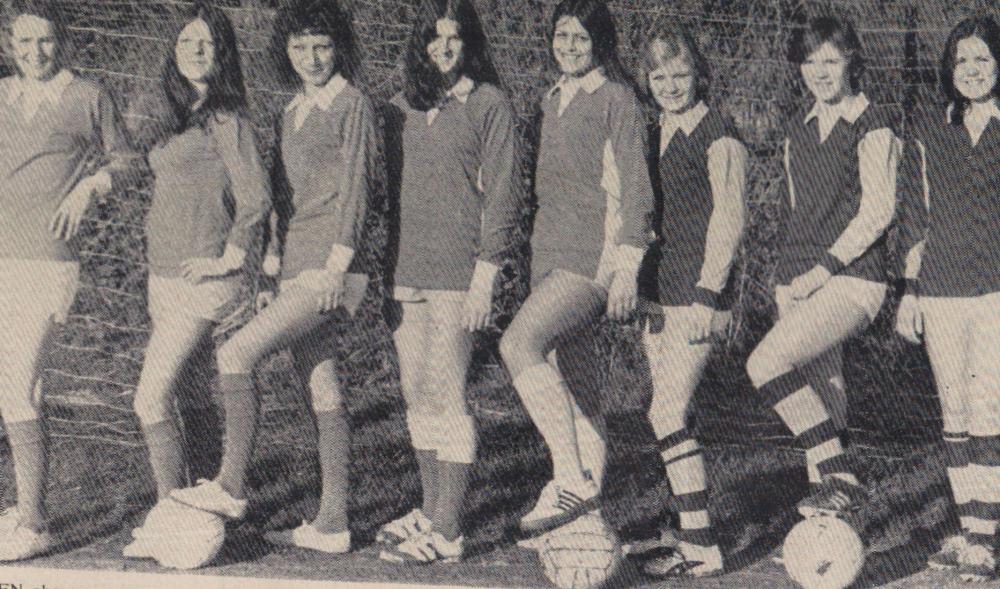
    Reds Womens Team Are First To Compete Throughout Season
  • 235

    Appledore boys beat mums at football
  • 236 Peter poses for TV film

  • 237 Space dominates Hartland carnival

  • 238 Northam footballers of the future

  • 239 What is future of railway goods yard?

  • 240 Landmark at Bradworthy

  • 241 Burnard family reunion

  • 242 'Les Girls' of Hartland

  • 243 Launching the 'Golden Hinde'

  • 244 Floral dancing at Appledore

  • 245 A sense of humour in advertising

  • 246 Hartland's invitation

  • 247 Safety-first dipomas awarded to Torrington drivers

  • 248 Warmington's garage ad

  • 249 School crossing patrol begins

  • 250 Appledore's largest

  • 251 Alwington School closing after 120 years

  • 252 Panel sprint for Bideford broadcast

  • 253 Championship Trophy for Hartland
  • 254

    Youth Clubs Join Together For Entertainment
  • 255 Life begins at 80

  • 256 Community centre opened at Westward Ho!

  • 257 Gift plaque on Clovelly council houses

  • 258 Clovelly donkey film star

  • 259 A man and his wheel

  • 260 Bideford childrens' cinema opens

  • 261 Bideford firm develops new non-spill paint

  • 262 Shoes certainly not made for walking

  • 263 Holiday scene near Sandymere

  • 264 Circus comes to town

  • 265 Faints as she wins national competition

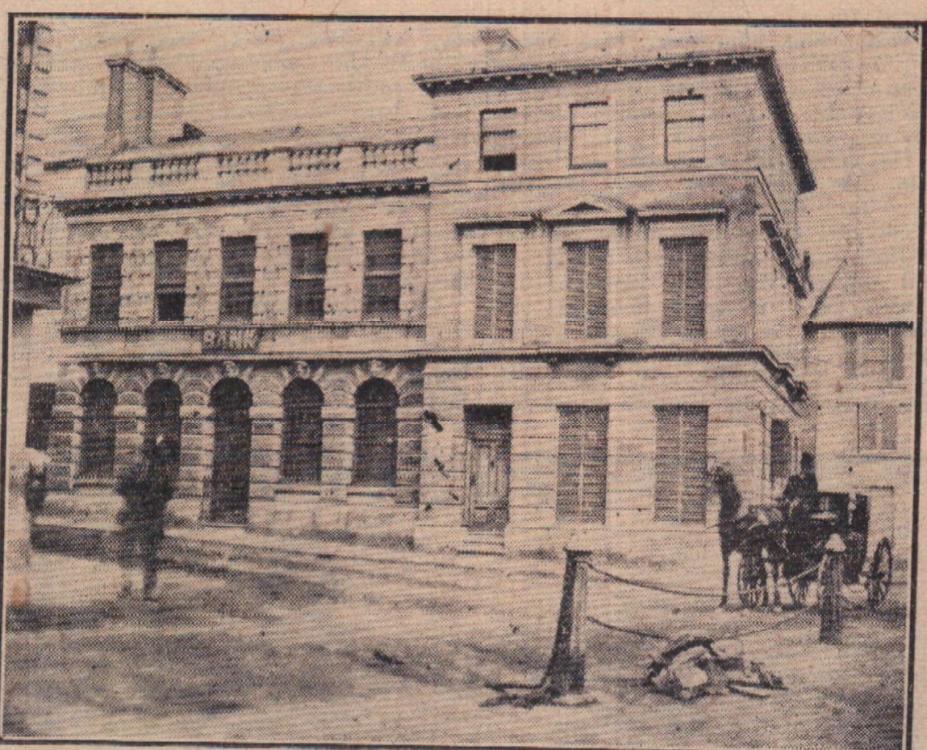
  • 266 Photo mural in Bideford bank

  • 267 Artisans' Club

  • 268 Weare Giffard Hall sold for £11,300

  • 269 Born 1883 - still going strong

  • 270 Torrington Youth Club rewarded by party
  • 271 Smiling welcome to Hartland visitors

  • 272 New fire and ambulance stations

  • 273 Colour TV salesman at eight

  • 274 Vessel built 300 feet above sea level

  • 275 Bideford's new market opens next week

  • 276 Donkey work made easier at Clovelly

  • 277 Meredith's ironmongers

  • 278 Not Bideford's answer to the moon rocket!

  • 279 Bideford A.F.C annual dinner
  • 280 In the tortoise nursery - eight hatched at Bideford

  • 281 New life for Hartland organ

  • 282

    Mums protest in Coronation Road
  • 283 Pretty pennies at Beaford

  • 284

    Jinxed School Trip
  • 285 Yeo vale road ruin provides a mystery

  • 286 Open-air art exhibition by 'under 40' group

  • 287 Westward Ho! Tennis Club Winners
  • 288 New Post Office

  • 289 Baby Kate goes home to Lundy

  • 290 Boys win hockey on the sands challenge

  • 291 Fishermen of Greencliff

  • 292 Children's procession with foxgloves

  • 293 A Weare Giffard speciality - delicious strawberries

  • 294

    10-year-old scrambler practices
  • 295 Bideford's gift to Sir Francis

  • 296 Westward Ho! sand yacht to challenge speed record

  • 297 Lundy memorial to John Pennington Harman V.C.

  • 298 Sooty is quick on the draw

  • 299 Calf thinks of mare as mum

  • 300 Holiday traffic in Bideford High Street

  • 301 Bridging the stream

  • 302 Bideford Bridge re-opens

  • 303 Torrington Church's new organ

  • 304 Polish custom on Pancake Day

  • 305 Rowing triumphs at Bideford

  • 306 Appledore Juniors Football
  • 307

    Andre Veillett and Quentin Reed in Judo Demonstration
  • 308 Passing of a Torrington landmark

  • 309 113 years at Instow

  • 310 Decontrol of meat

  • 311 Prizewinning babies at Torrington

  • 312

    Wynne Olley's styles impress International Hair Fashion Designer
  • 313 Ship-in-bottle world record

  • 314 Ancestral home nestling in lovely combe

  • 315 What's the time?

  • 316 Still hunting aged 80 and a Field Master

  • 317 Do recall the old windmill at Northam?

  • 318 Eleven million pound scheme's official opening

  • 319 Salmon netting at Bideford

  • 320 Move for oldest boatyard on Torridge

  • 321 Eight and a half million pound Taw development scheme

  • 322

    Inter-school Road Safety Quiz Cup Winners
  • 323 Bideford electricity window display qualifies for area competition

  • 324 Can spring be far away?

  • 325 Pannier Market's future?

  • 326

    Exhibition of school work
  • 327

    Married in 1908
  • 328

    School of Dancing's Annual Display
  • 329 Birds' convalescent home at Instow

  • 330

    Gus Honeybun meets local children
  • 331 Hartland Abbey outdoor staff 60 years ago

  • 332 Torrington in 1967

  • 333 Bideford schoolboy's courage recognised

  • 334 The art of the thatcher

  • 335 Ships at Bideford

  • 336 Some 240 exhibits

  • 337 Town's second woman mayor in 392 years

  • 338 Some mushroom!

  • 339 Chess - their bridge over the years

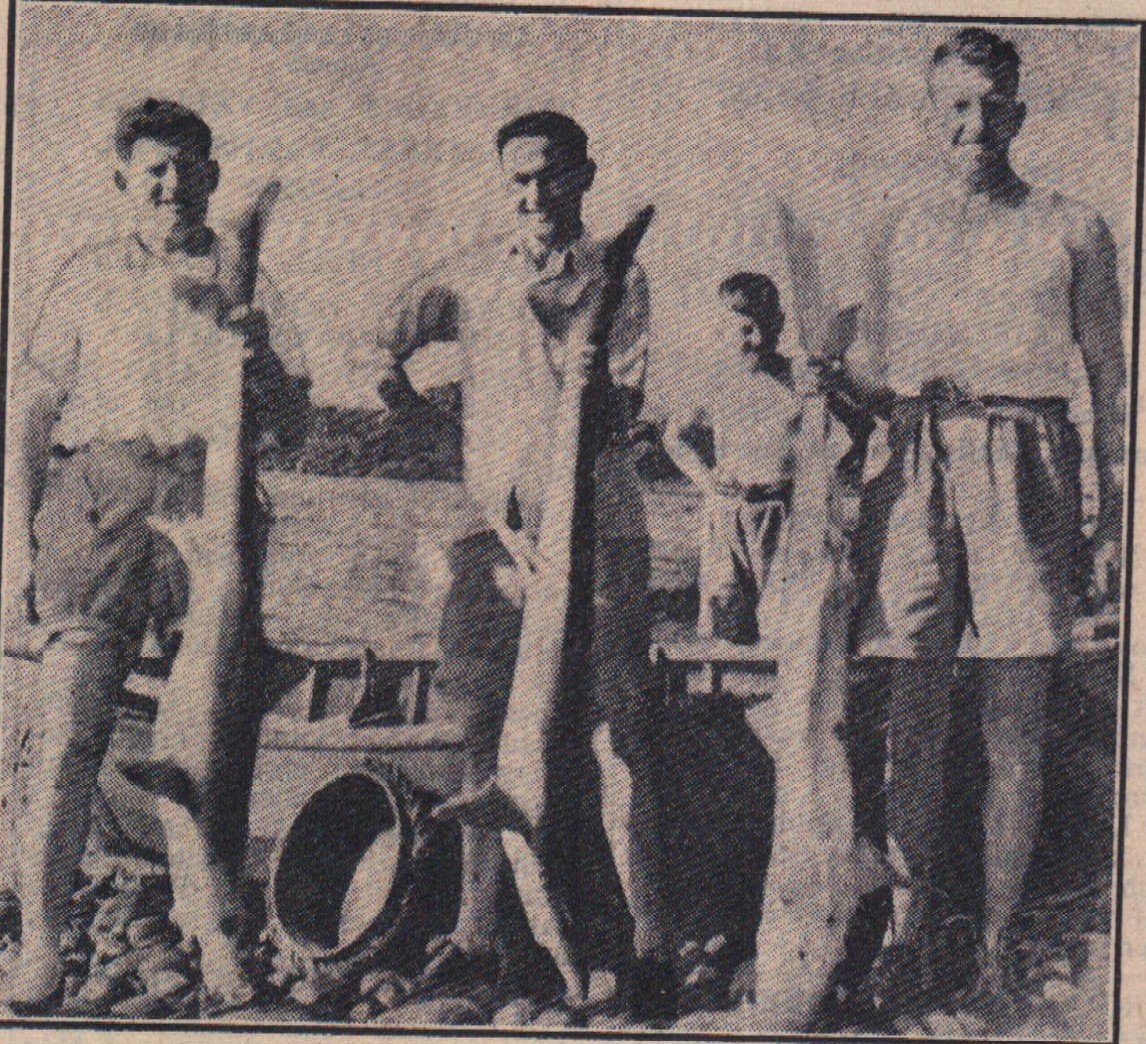
  • 340 Largest salmon caught in Torridge

  • 341 Childrens' model of Torrington

  • 342 Harvest service in Bideford 'pub' bar

  • 343 Sunshine and shade at Appledore

  • 344 Bideford skifflers, they're no squares

  • 345

    Gift from Bideford Town Council
  • 346 Bideford shipyard workers cheer new minesweeper

  • 347 For crying out loud!

  • 348 TV contest means big job for Bideford Guides

  • 349 New shipyard on schedule

  • 350 Bideford has built over 500 post-war homes

  • 351 Bideford triplets' first birthday party

  • 352 Last train from Torrington

  • 353 Dismantling of wireless mast

  • 354 Torridge wins on time schedule

  • 355 Bideford blacksmith wins English championship

  • 356 It really was the 'last time'

  • 357 Christmas tree on Bideford Quay>
  • 358 Escaped crane moves into Kenwith Valley

  • 359 Sweet success at Langtree School

  • 360 Calligrapher extraordinary

  • 361

    First Girls at Bideford Grammar School take part in Play
  • 362 Torrington's shelter for the aged

  • 363 Panto time at Westward Ho!

  • 364

    Building works
  • 365 Wishing well is pixielated

  • 366 Brothers reunion 1947
  • 367 Service with a smile

  • 368 Last of Bideford factory chimney

  • 369 Big develolpment at Calveford

  • 370 Police station view of Bideford

  • 371

    FA Cup Match for the Robins
  • 372

    Mrs Whapham finds ferret in Bridgeland Street while shopping
  • 373 Future of Torrington almshouses

  • 374 Bideford's first woman councillor

  • 375 Head Barman appointed Torrington Town Crier
  • 376 So this is the mainland!

  • 377 Doing time - over 300 years of it - at Hartland

  • 378 Devil sent packing

  • 379 Yelland potter's exhibition at Bideford

  • 380 Eight to strike and a race to win

  • 381 Council agree to demolition of Chanter's Folly

  • 382 Westward Ho! combined op

  • 383

    Successful motor cycling team
  • 384

    First prize
  • 385 In their new robes and hats

  • 386 To build racing cars in former blacksmith's shop

  • 387 New Lundy stamps

  • 388 Preparations for new Clovelly Court

  • 389 Yeoi Vale House finally demolished

  • 390 Designed and made in Bideford

  • 391 Making way for the double-deckers

  • 392 Spray dodging - the new pastime

  • 393 Designed all furnishing of new chapel

  • 394 John Andrew Bread Charity
  • 395 Signed scroll momento of Queen Mother's visit

  • 396 Hartland postman retires

  • 397 Wilfred and Mabel visit schools and hospital

  • 398 Appledore's new lifeboat

  • 399 Torrington acclaims 400th anniversary of granting of charter

  • 400 Bideford Zoo's first baby is big draw

  • 401 Northam's almshouse

  • 402 Fishing light goes out at close of poor season

  • 403 Four sisters' nostalgic reunion

  • 404 Bideford inquest on French trawlermen opens

  • 405 Fundraising trip for RNLI

  • 406 Huntshaw TV mast

  • 407 Clovelly nightmare

  • 408 North Devon Driving School

  • 409 Buckland farm workers to receive long-service awards

  • 410 New Estate's view of estuary activities

  • 411 Appledore skill brings 'Hispaniola' to life

  • 412 Death - and birth - of a telephone exchange

  • 413 Quads join a Langtree happy family

3.5.1957 Robins win Hansen Cup

Robins Win The Hansen Cup

May 3rd, 1957

Bideford AFC pictured with the Hansen Cup after they had defeated Bude 2-1 in the final

Read More

and suddenly it's spring

Cadds Down Farm

1 March 1974

Joined by Trixie, the pony

READ MORE
  • Christmas Eve at the Front

    An interesting letter has just been received by Mrs Packer, of Broadclyst, from her husband, Corpl Packer of A Company, 1st Battalion Devonshire Regiment, who is serving with the Expeditionary Force in Northern France. In the course of a letter he describes a remarkable incident which occurred on Christmas Eve between the British and German trenches.

    Read More
  • Seafield House - the "Spooky House" of Westward Ho!

    The house on the cliff edge known locally as ‘Spooky House’ or even ‘Haunted House’ , was built about 1885.

    The road was especially built to enable access to the house and was initially known as Seafield Road; later it became Merley Road.

    Read More
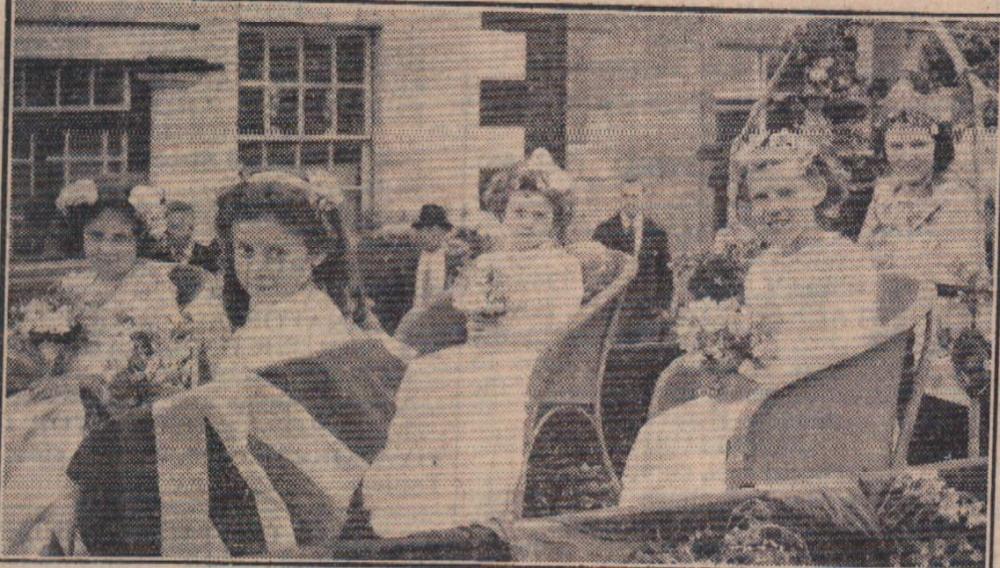
  • Torrington May Fair Queen and Her Attendants

    Names from left to right:Joan Ricketts; Joan Newcombe; Jean Wernhem; Margaret Sweet; Enid Ovenden; Rona Elsworthy; Doris Short; (back row);
    Eileen Short; Miss Margery Bennett (Queen); Joyce Downman; David Fiddian (Page); Peggie Sussex;

    Read More
  • 1
  • 2
  • 3
1911 Coronation Medal

Coronation Medal Presented on June 22nd 1911   Learn More

The Hoops Inn

The Hoops Inn close to Peppercombe Beach

The Quay at Appledore

Appledore Quay where Taw and Torridge Rivers meet 

 
Wynne Olley

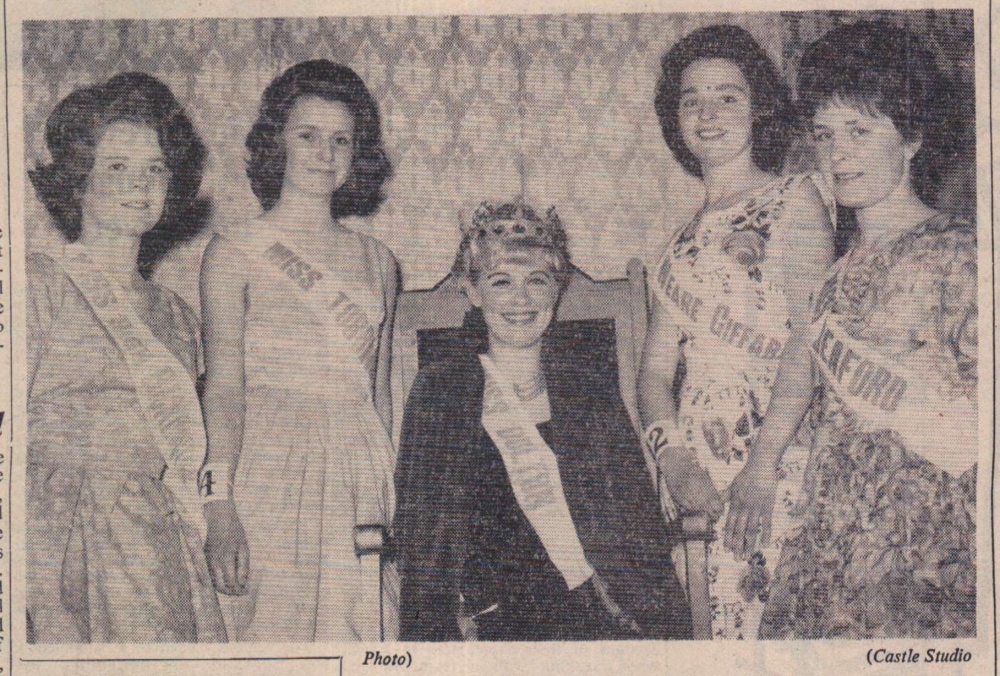
Crowning Glory

12 October 1962

Their finest achievement to date...

Read More


Shipyard goes into liquidation 1963

Liquidator appointed

4 January 1963

Difficulty in retaining labour...

Read More

Special Constables thanked

Debt to 'Specials'

3.1.1964 Specials

In the first issue of the New Year it is appropriate to acknowledge with thanks the voluntary service of Special Constables, and in particular the recent promotion of Mr T C Bird, after 32 years' service to the position of Area Officer for the Bideford district.

Mr Bird, who has for long been identified with the success of Bideford Rugby Club, has succeeded Mr G W Blackman, MBE, who has also served the town in many ways , including 16 years's service as Area Officer and as the Secretary of Bideford Horse Show Society.

Mr Blackman has received a certificate of thanks for his long services to the Special Constabulary.

Gazette article dated 3 January 1964

Bideford's First Policeman

The story of Bideford’s first policeman begins in 1835

after the passing of the Municipal Corporation Reform Act which both reformed many previously corrupt councils and also allowed the newly re-organised bodies to develop services not previously provided. In Bideford’s case this meant two things to start with – lighting the town and the hiring of a paid policeman. 

Up until that time Bideford, as in virtually every other town, had been policed under the parish constable system whereby a group of men were elected every year to fill the post of constable. This system, though cheap, was generally inefficient as men of standing and wealth in the community, if elected, hired substitutes, many of whom were not of the proper moral standing to be a constable. Also the job was unpopular because if you charged your neighbour with an offence during your year of office he could well do the same to you merely for revenge during his term as constable! The Municipal Corporation Reform Act did not abolish these constables and in Bideford’s case they continued to serve alongside the professional police force for many years. 

At their meeting on 28 January 1836 the newly constituted Bideford Borough Council noted in its minutes that: ‘The subject of providing a fit and suitable Office to be called the Police Office of the Borough for the purpose of transacting the business of the Justices of the Borough having been taken into consideration….’ it was resolved to set up a committee to inquire into this. Only two days later the members of the committee met and decided to establish the Police Office or Watch-house as it came to be known in the ‘Room in which the Engines are usually kept situate underneath the Guildhall’. The engines mentioned were the town fire appliances whilst the site of the Guildhall then, was where the offices of the Torridge District Council now are. The cost of the conversion work was given as £55.

The work must have taken some time for it was not until 29 July of that year that the Council turned its attention to finding a man to fill the office of policeman. An entry in the minutes for that date reads: ‘It was also resolved that the Town Clerk do write the Commissioners of the Police in London to ascertain whether a police officer if required could be procured from the London Police Establishment to superintend the Police of this Borough, and whether the Commissioner could recommend an officer for that purpose and what salary would be required to be paid to such an officer’. 

A reply was quickly received and luckily was transcribed into the minute book, it reads:

‘Metropolitan Police Office, Whitehall Place, August 3rd, 1836
Sir, The Commissioners of Police beg to acknowledge the receipt of your letter of the 1st instant and to acquaint you that they can recommend Police Constable Elias Palmer for the appointment in question at a salary of thirty shillings per week and Lodgings to be provided for him.
Upon receipt at this office of your answer the Police Constable will leave Town immediately if desired and report himself to you upon his arrival.
I have the honor to be Sir, Your most obedient Servant, Richard Mayne’. 

The Council wasted no time but, ‘Resolved that the Town Clerk do immediately write the Commissioner of the Metropolitan Police requesting that Elias Palmer, the Police Officer recommended by them, be directed forthwith to proceed to Bideford, for the purpose of Superintending the Police of the Borough’. 

The important matter of salary was discussed at the next meeting on 22 August when it was, ‘Resolved that the Council do approve the arrangements made by the Watch Committee with Elias Palmer for allowing him ten pounds a year for his lodgings in addition to his salary of thirty shillings per week. Also resolved that the sum of two pounds and ten shillings be paid to the said Elias Palmer for his travelling expenses from London to this town. Also that the said Elias Palmer be provided with a lantern staff and rattle’. 

An entry in the minutes book for 31 October records that the lantern staff cost 14/-. Although no mention is made of a uniform Palmer probably wore the usual police costume of this date which consisted of a black frock coat, black trousers and, somewhat incongruously, a top hat. 

The Council clearly hoped for great things from their new policeman as is shown in the speech of the new mayor T.B. Chanter in November 1836. He noted that, ‘Watchful precaution oftimes prevents crime, and it is by the assiduous attention of the police and constabulary force, that we shall be enabled to reach the haunts of the dissolute, and check the temptation so freely open to the indolent, and the unwary’. 

It can be said now that Elias Palmer fulfilled all the Council’s expectations. 

The first actual appearance of the policeman in the records comes, as do most references to him, from the local newspaper – the ‘North Devon Journal’. This had been founded in 1824 and was an early supporter of a paid, professional police force. Such support must have helped convince the many people worried by the introduction of professional policeman into Britain. 

The newspaper item concerned the prosecution of William Rennells of Barnstaple, an unlicensed hawker. Policeman Palmer attended the case as a witness and, on the basis of his evidence, the unfortunate hawker was fined the then very large sum of £10. Palmer also appeared in the next case, which again concerned a hawker, as prosecutor. Unfortunately Palmer had no other witness than himself and the court discharged the case. At this time the prosecutor in such a case stood to gain a reward paid out of the fine levied, and these were grounds enough for the case to be cancelled. 

Soon after on 27 February Palmer brought a drunk to court, one William Andrews of Newport, whom he had arrested during a fight at the Newfoundland Inn (now the Rose of Torridge café) over the non-payment of a bill. Andrews had the nerve to accuse the policeman of stealing a sovereign from him – which accusation the court ignored. The magistrate’s decision is somewhat odd, ‘as it was clearly proved to the satisfaction of the court that he was pennyless, he was fined 5/- and expenses’. Presumably he ended up in gaol for non-payment. 

In the same month Palmer was praised by the newspaper for his ‘active measures’ in unravelling a strange case where a dead child had been buried in St Mary’s churchyard under odd circumstances. There were suspicions that the child was illegitimate and the mother, from Instow, was disposing of its body after killing it – a not uncommon occurrence in Victorian England if contemporary reports are to be believed. 

At the end of the month of March Palmer arrested his first thief, a woman named Eliza Miller of Bideford, who had stolen a piece of meat from the market stall of Mr Handford. This was the first of many such thieves dealt with by the policeman – there are so many in fact that I will not be referring to them unless they have uncommon points of interest. Similarly Palmer arrested so many drunks that again these will not be noted unless there are other points of interest about the case. 

Two court appearances in May 1837 displayed an odd facet of the policeman’s duty at this time – that of litter-officer. Palmer prosecuted two townspeople, Mrs Miles of Tower Street and Philip Tardrew with leaving dung in the street ‘after the hour allowed by the bye-law’. The court agreed to pass his suggestion, that the times be altered, over to the council for consideration. 

In June the policeman had an interesting job when he accompanied the mayor, who was also the chief magistrate of the town, to the borough gaol in Meddon Street to question one Mildrum, an ex-schoolmaster. This man had been imprisoned for assaulting one of his young female pupils and whilst there had apparently written a letter confessing to the murder of his wife several years earlier. Palmer’s questioning, however, elicited nothing of interest and the case was not solved even though Mildrum later appeared at the County Court. The schoolmaster presumably served his sentence for the assault and left Bideford once he was free. 

Anyone who has read Henry Mayhew’s classic contemporary reports concerning ‘London Labour and the London Poor’ will know about the huge numbers and variety of beggars in nineteenth-century England. Policeman Palmer had his first brush with this vast tribe in July 1837 when he arrested William Crawford, aged 67, after a violent struggle. The newspaper report noted, ‘The same man was committed, a few days since, at Barnstaple, for a similar offence’. 

Successful in this fight the policeman was much harder pressed in October when arresting a Mr Parminter of Appledore for being drunk. On this occasion the prisoner’s friend William Ching tried to rescue his drinking companion from police custody – for which he was later fined 9/-. Parminter was fined 5/- for his offence but later brought a prosecution against the policeman alleging that Palmer had illegally assaulted and imprisoned him. The case came to trial at the local Quarter-Sessions in January 1838 and the report filled many columns of the newspaper. The case clearly showed the depth of feeling harboured by some against the new police force. 

Parminter gave his evidence first. He was a shoemaker who also ran a small farm and, in addition, had been constable of Northam for 9 years. On the day in question he had come to Bideford market to sell two bullocks and a horse and after a successful sale was celebrating at the Angel Inn in the Market Place. Palmer had entered and said ‘Landlord it is time to shut up’ and then turned to Parminter and said ‘Parminter you had better start’. Evidently Palmer didn’t wait long for his commands to be carried out as he then grabbed Parminter by the collar and began to drag him off to the ‘pit’. This pit was literally just that, it was surrounded by iron railings with a gate in them where drunks were put to sober up. As far as one can tell it was situated on the site of the present Town Hall. 

Reaching the pit Parminter begged to be let go and clutched at the railings but, in his own words, the policeman ‘took his staff and beat my hands and arms dreadfully’. Even when in the pit Palmer did not stop but gave, in the dialect words of his prisoner, two or three ‘flitters’ and ‘scat’ him down. 

Cross-examined Parminter alleged that Palmer had said he was arresting him ‘for an old offence’ which related to a case which the police had lost. Parminter had to admit that after this case, which is nowhere specified, the church bells of Northam were rung in celebration but he denied any complicity in this show of joy. 

The landlord of the public-house was then questioned and said that the policeman peremptorily refused his offer of bail. He estimated that Parminter had drunk about 4 pints of beer and agreed that Palmer suggested that Parminter’s friends should help him home if any were present. One of the ‘friends’ tried an unsuccessful bribe when he offered Palmer ‘a glass of grog if he would release Parminter’.

The last witness for the prosecution was Charles Caddy, a surgeon, who certified the extent of Parminter’s injuries which were serious enough to keep him off work for two weeks. 

The lawyer for the defence, Mr W. Gribble of Barnstaple, opened his case by stating ‘when he saw the athletic form of the defendant, he had some suspicion that he might possibly have been betrayed into an arbitrary use of his office’. Mr Gribble hastened to add that on talking to the policeman he soon realised that he was intelligent enough to know his own strength. The lawyer painted a damning picture of the Angel Inn where just after midnight of the evening in question Palmer called to suggest closing. On entering, Palmer, ‘finds a number of men indulging their riotous and drunken orgies’. The policeman was not so hasty as Parminter tried to suggest as it was only after twenty times of asking the shoemaker to go home did he reluctantly arrest him. Palmer only used his staff to get his prisoner into the pit after 15 minutes of cajoling him to release his grip on the railings. At every point Parminter’s evidence was questioned and rendered suspect. 

The case in fact went on for seven hours and the jury finally arrived at the decision that the policeman was guilty as charged – but his punishment was a fine of 1/-. Clearly they did not believe Parminter to be absolutely innocent but they did have to stick to the letter of the law. The suggestions of earlier brushes between the two men are frustratingly vague but obviously there was some sort of grudge involved. 

Policeman Palmer must have been relieved to have the case settled but even whilst waiting for the trial he was kept busy. In December 1837 he came across three drunks in Mill Street and his suggestion that they go home was answered when one of them, Richard Hockin, attacked him with a knife giving him a severe cut. Even so Palmer managed to get them to prison, presumably with the help of the parish constables. At the trial the previously good character of Hockin, who was a sailor, was accepted and he was fined £3. There had been a possibility that the charge might have been of attempted murder but, luckily for the sailor, this was set aside. 

Two weeks later Palmer had his revenge on at least one of his antagonists when the landlord of the Angel Inn was fined 10/- for allowing gambling with cards to be carried on in his house. 

The new year started with the policeman arresting Jane Mitchell and her son for the theft of some culm from the local mine. This woman was a brothel-keeper (one of several in the town) whose establishment was in Meddon Street. 

In April 1838 Palmer was called ‘our active policeman’ by the newspaper reporter in a case of theft where prompt action by the policeman succeeded in impounding the stolen property.

In the following month a drunk was arrested by Palmer and ordered to pay a 5/- fine or else sit in the stocks for 6 hours. These stocks were a massive affair with room for people, they were kept just outside the police watch-house at the bottom of Bridge Street. 

At the end of June Palmer must have surprised himself when he arrested two men on suspicion of theft in a local inn. When he searched James Cake, who came from Shebbear, he found secreted on him ‘two ducks, and five live chicken, and one dead one, and one fowl stripp’d…. also a wet shirt, and a driving net used in catching game’. Cake’s accomplice only had three chickens on him – one in each trouser pocket. The men got 6 months in gaol with half of that time to be in solitary confinement. 

In October Palmer arrested another chicken thief but this man pulled a knife on the police-officer though without inflicting serious injury. He also received 6 months imprisonment. 

At the Borough Quarter-Sessions in January1839 the Recorder congratulated the town on being so free of crime ‘and complimented the town council on the pains they had taken to establish a police force’. Clearly he saw a direct connection between professional policing and the level of crime. 

In June 1839 Palmer arrested a thief from Bridgwater who had stolen a large number of sovereigns. The newspaper paid him a handsome compliment when it stated, ‘Much credit is due to the policeman for his indefatigable vigilance in this affair’.

Come August of that year Palmer’s ‘vigilance’ received some public thanks and reward. The report of the proceedings reads as follows, ‘At the late annual meeting of the Bideford Association for the protection of property, it was ordered that a silver medal should be resented to Elias Palmer police officer of Bideford, for his efficient services in the apprehending of a prisoner convicted of a felony on the property of a member of the association, and for his general vigilance and good conduct. And on Tuesday last a special committee of the Association assembled at the New Inn at 7 o’clock, when the chairman, Thomas Vellacott Esq. presented the medal to Palmer, with a suitable address. Palmer, in returning thanks, expressed his gratitude for the honor done him, and trusted that his future conduct would equally merit the approval and support of the Association’. 

Such associations as these were common in early-nineteenth century England and most tradesmen and farmers appear to have belonged to at least one. At this time private prosecutions were relatively expensive and so men banded together to help defray expenses thus encouraging the bringing to justice of criminals. One would dearly like to know where his medal went and even what it looked like but unfortunately the records are silent. 

After this glowing tribute Palmer nearly let himself down when the following month a prisoner on remand, one William Essery, escaped from the gaol. The policeman, however, managed to track him down to Barnstaple and being him back to face his trial. The man, who was charged with the theft of money from his mother, received a sentence of 10 years transportation. Palmer conveyed him to the prison hulks at Woolwich in November to await a ship to Australia. 

A few days before Christmas 1839 Palmer had one of his most dangerous moments when he was called at 2 a.m. to the ‘Cornish Arms’ public house in Bull Hill. Accompanied by two parish constables Palmer arrived to find a riotous party going on and was soon forced to arrest a particularly boisterous individual. However, in taking him to the lock-up in the watch-house, the rest of the crowd attacked the officers – Palmer had his head cut, whilst one of the constables was hit in the eye by a stone. 

The mob were unsuccessful in their bid to free the prisoner, however, and he was fined 5/- the next day. Within a few days arrest warrants were granted for another 5 people involved in the affray. Two of these were later gaoled for a month each by the borough magistrates. The Recorder at the next Quarter-Sessions was angry that the case had not come to this court and he very strongly recommended that the Council change the bye-laws and ‘make a regulation for closing the whole of the public houses at a stated hour every night’. 

This suggestion does not appear to have been acted upon for many years – possibly because some of the council members had interests in the brewing industry! The ‘Cornish Arms’ still stands, being the first house in Bull Hill - it is easily recognisable by its three storeys and pink wash finish. 

In April 1840 Ellen Brown and Mary Wheatley, two gypsies, were arrested by Palmer for telling fortunes and endeavouring to persuade a young servant girl, Charlotte Harding, to steal from her master. They were given three months gaol, both with hard labour. One can imagine a nineteenth-century novel writer making great play with this story – all the elements of a good moralistic tale are there.

In July 1840 the parish constable of Hartland arrested one Thomas Williams as a thief but then manged to lose his prisoner. He was, however, ‘re-taken by our active policeman (i.e. Palmer)… and is lodged in Bideford Watch-house’. Once again the professional out-classed the amateur. 

Two months later Palmer was on duty on Bideford Bridge when he was called to help Mr Upcott the toll-collector who was being assaulted by four would-be toll-evaders. The toll house where this occurred was in Barnstaple Street and was one of the 10 run by the Bideford Turnpike Trust. The men involved all paid 2/6 each to Upcott before Palmer would let them go.

In December of this year Palmer was engaged in searching for goods looted from the wreck ‘Collina’ which had been thrown on to Croyde beach. Presumably local boatmen had sailed across the estuary to get at her. As the newspaper noted, ‘some has been recovered and warrants have been issued’.

In the following March Palmer had rather a bad time of it. A James Daniel was fined 10/- for assaulting him (plus 5/- for being drunk in court) and he was also assaulted by James Tatem. This man was a ship’s captain from Appledore who had been arrested for being drunk and disturbing a service in Bideford’s Wesleyan chapel. He had been locked up by two of the parish constables and the assault on Palmer occurred when the policeman came to let him out the next day!

At the April 1841 Quarter-Sessions a Mary Cornish of Hartland was prosecuted for the theft of an umbrella from a Mr Vellacott. Palmer was the arresting officer and swore to hearing her confess to the crime whilst she was being questioned by the Mayor. He was cross-examined on this point by the girl’s solicitor and strongly maintained that ‘he said nothing to prisoner to induce her to confess; did not frighten her out of her wits or do anything more than my duty’. She was found guilty yet only received 1 week’s gaol.

This seems all the more unusual when one reads that at the same court a young girl called Jane Willis was also found guilty of stealing one of Mr Vellacott’s umbrellas – yet her sentence was 10 year’s transportation! Why there is such a difference I do not know but evidently her plight stirred her family to action. In the ‘North Devon Journal’ for the 22 April there was a long report on the escape from gaol of Willis. The wall of the prison ‘was broken through from the outside’ and Jane must have been desperate for ‘the hole was but scarcely large enough to force her body through’. The authorities immediately offered a reward of £10 for her recapture.

Palmer evidently did not have to use great detective powers to decide where she had run to – he quickly set off to her father’s house at Yarnscombe accompanied by a party of parish constables. They arrived at 4 a.m. to gain the element of surprise but couldn’t effect an entry for about ten minutes. The newspaper report says that during this time, ‘Jane Willis was let down through a trap door of her chamber, and out through a small hole made in the wall for that purpose’. It was all to no avail, however, as she was found in a nearby linhay under some straw. By June she was on the convict transport ship the ’Garland Grove’ at Woolwich along with 230 other women who were being taken to Sydney in Australia.

In the ‘Bideford Prison Register’ book now at the Devon Record Office there is an entry for May 1 1841 which shows that Thomas Lander aged 56 and Thomas Willis aged 24 (possibly the father and husband of Jane?) were committed ‘on suspicion of aiding and assisting Jane Willis in an escape from the Borough Gaol of Bideford’. No proof was offered to substantiate these suspicions and the men were freed two days later.

Whilst Palmer was taking Willis to Woolwich a gang of 7 men and 5 women beggars arrived in Bideford from Cornwall. When Palmer returned and arrested two for begging under false pretences, they had claimed to be shipwrecked sailors, the rest fled.

We get a glimpse of Elias Palmer as a family man in the 1841 census when his enumeration form revealed a wife called Sarah and a 10 year old daughter Catherine. The family were living in Meddon Street and Palmer’s age was given as 35 though at this date ages were rounded down by the enumerator.

Professional criminals seldom operated in Bideford but in August 1841 the policeman arrested John Molton for burglary at a miss List’s of Orchard Hill. On searching him Palmer found two ‘pick-lock keys’. One wonders what happened to these highly incriminating tools.

In the same way that true criminals seldom bothered Bideford it was true that politics similarly intruded little into the life of the town. The 1840’s, however, was a time of great activity nationally and echoes of this reached even into rural Devon. Thus in January 1842 there was a public lecture in the Town Hall by Mr Poulton described as ‘one of the travelling agents for the National Anti-Corn-Law Association’. Palmer was called in to remove a noisy heckler who was only taken out ‘with some difficulty’.

A much more peaceful meeting was held in July when Palmer attended an open-air talk given by Mr Powell ‘one of the Chartist’s travelling agents’. Some 300 people attended, ‘principally of the working class and tradesmen, although many of the principal inhabitants were present as attentive listeners’. The meeting went ahead even though some of ‘principal inhabitants’ had applied to the mayor for a banning order. Evidently Chartism did not generate the same excitement as elsewhere as this is the only reference to it in the local newspapers of this period.

In the same month as the Corn Law meeting some fowls were stolen in Bideford and Palmer arrived on the scene so promptly that one of the thieves, Samuel Saunders, had to make his escape by swimming the river – only to find Palmer waiting for him on the other bank.

February 1842 saw Palmer and one of the parish constables breaking into the ‘London Inn’ early one morning to put an end to ‘the sounds of dancing, drunkenness, and riotous squabbling’. Two of the drunkards were arrested and were later fined with the option of sitting in the stocks for 6 hours – not an attractive prospect in February one would have thought.

In the same edition of the newspaper that reported this there is also an account of Palmer interceding to prevent John Carter, a blacksmith, from assaulting two girls on Bideford bridge. Carter being a smith was obviously a strong man and indeed he attempted to throw the policeman over the bridge parapet. As the report laconically states, ‘This obliged Palmer to draw his staff in his own defence, from the use of which Carter became rather disfigured, and was moreover favoured with a “lock-up”. Presumably because of this beating Palmer did not press charges though the smith was fined 5/- for his assault on the women.

Palmer’s exertions on behalf of law and order were clearly very successful – indeed one might say embarrassingly so if we are to understand the council minutes for March 1842 where the provision of a new gaol in Bideford was discussed. The estimated costs were such that the Council turned them down although further committee work on the idea was accepted. One might be permitted to draw the conclusion from this discussion that there was a need for a large prison owing to the increased number of prisoners being brought in by the new policeman.

In May the newspaper reported the arrest by Palmer of a notorious local sheep rustler – Joseph Beer of Buckland Brewer. When arrested the policeman found 34 lb. of salted meat under the man’s bed – proof enough to get him a sentence of 14 years transportation to Australia. The report waxed lyrical about Palmer saying, ‘Some persons who are loud in their exclamations against the expenses of policeman and police officers, are not a little disposed to taunting and reflection when a case of this nature or a similar depredation goes undetected; there is every reason to believe that the inhabitants of Bideford and vicinity were never better served in this respect, than since the establishment of a police officer in this town. The above case is a sufficient proof among others of the vigilance and assiduity with which crime and depredations are sought to be suppressed; and the inhabitants of Bideford are fully aware that as a public servant there are few whose abilities and fidelity surpass those of Palmer’.

After such a write-up it seems only natural that in the following July: ‘the Bideford Association for the Protection of Property, at its annual meeting held in Thursday last in the Town Hall, at which George Buck Esq., presided, commenced a subscription, to which the members liberally contributed, to present Palmer with a silver snuff box, in consideration of his valuable and efficient services generally, and in the above case particularly’.

The snuff-box was fully purchased and engraved. The presentation took place in October 1842 when the newspaper reported that: ‘There are no less than the names of fifteen County and Borough Magistrates set down as subscribers; several of the corporate body and town councillors of the borough have also contributed towards this token to Palmer, for his able services in the town of Bideford and the surrounding neighbourhood’.

At this juncture it is clear that Palmer was at the height of his popularity – at least with the propertied classes. His popularity must have extended to the poor as well if we take into account a case that occurred in October 1842. Palmer was on his rounds when he arrested a woman, Elizabeth Manning, carrying a bag of stolen potatoes. She lived with another woman and a man called George Gregory and they had been reduced to stealing because although George worked hard helping to repair the roads in Northam, the local Surveyor of the Highways had not paid him for his labour. The case was dismissed and the Surveyor reprimanded – presumably at the direction of Palmer. 

At the same court Palmer also presented Thomas Holman, an innkeeper of Abbotsham and also a member of the North Devon Yeomanry. Thomas had come to Bideford, got drunk and begun waving his sword about. Although he had been put on his horse and sent home he apparently fell off on the way and returned to the town where Palmer arrested him. He was fined 5/- and one assumes he also got a dressing-down from the local Yeomanry Captain.

In December the policeman arrested 13 boys aged between 10 and 15 for throwing stones. These he placed in the stocks in rotation each being ‘exposed to the public gaze and derision’. One wonders how quickly they repeated their wrongdoing after this treatment. 

Even on Christmas Day Palmer was on call for on that day in 1842 he want to the house of John Berry, a mason, who upon returning drunk from the public house and finding no dinner awaiting him, smashed up his house and assaulted his mother and wife. Because it was Christmas Palmer allowed Berry’s wife to visit him in gaol, to where he had been removed and bring him a meal, but, ‘to their great astonishment and consternation they found that he had made his escape. He had broken up the bedstead and with it had effected an entrance through the floor of the Town Hall above, and made his exit by one of the windows over the roof of the adjoining house’.

The escapee sheepishly surrendered himself the next morning and was fined 10/- for his exploit. 

The year 1843 opened with Palmer searching houses in Littleham, Abbotsham and Northam for goods looted from a wreck on Northam Burrows nothing however, was found. The policeman also found time to gaol 4 prostitutes, or ‘nymphs of the Pavé’ as the newspaper reporter gallantly called them. The journalist made much of the fact that the girls all came from Barnstaple – though local prostitutes were not at all uncommon in the court reports at this time. 

In November 1843 Palmer arrested three gypsies and charged them with obtaining money under false pretences. Apparently one of them would approach a house, knock on the door and say she was sent by the dressmaker patronised by the woman of the house. A carefully rehearsed statement then followed which went, ‘My mother lives in Bideford, and has got 15 children; I am the oldest, only 11 years old; mother was confined last week with three children at a birth, and our hardhearted landlord has distressed us for rent. Unless I can get up the sum wanted, our things will be sold tonight; my father is dead; your dressmaker knows this to be all correct. I served my time with her. 

Many seem to have fallen for this obvious rigmarole - so much so that the trio gained £1.14.0 ‘in a few hours’. They were later gaoled for three months each. 

At the end of the year Palmer suffered possibly the worst moment of his career when he arrested John Fleming a drunken sailor. At the court hearing it was alleged that Fleming had been, ‘urged on by the mob, nearly 500 persons being collected together, whose conduct was most disgraceful….. the constables had a narrow escape of being thrown over the quay. Such a circumstance has not taken place in Bideford for many years’. 

Even allowing for exaggeration a mob several hundred strong must have been a frightening sight – though it is worth nothing that Palmer and the other constables still did their duty. 

In January 1844 a Bideford labourer named Babb was arrested by Palmer for the theft of 3 lb. of bacon. At his examination before the magistrates it was revealed that he earnt 6/- a week – on which he had to support himself, his wife and 3 young children. His rented accommodation cost 1/- a week which left ½d. for each person for each meal. The case caused considerable outrage which was expressed in the letter columns of the ‘North Devon Journal’ for several months afterwards. These letters give a fascinating picture of the labourer’s lot in mid-nineteenth century Devon and would repay study in their own right. The outcome was the establishment of the Bideford Allotment Society with the Mayor as the first chairman. The Society hoped to set up allotments for the poor landless labourers to use to grow food to supplement their wages – self-help rather than charity – a very typical Victorian reaction to such a problem. 

At the same court where this case appeared Palmer saw one of his prisoners sentenced to 10 years transportation. Evidently this man was a wily customer as the policeman ‘deposed to advertising the prisoner in the “Hue and Cry” but could not find him’. The journal referred to here was the official listing of wanted men and one of the few lines of professional communication that linked the scattered policemen of this period. 

If only to prove an old adage that nothing is new I might mention a case in January 1844 where one Maria Cole of Alwington was ‘mugged’ of 15/- by an unknown assailant as she went home along a dark road. Palmer was hampered in his search for the attacker by a lack of any description, the event having happened so rapidly. 

A case in May of the same year illustrated the lengths Palmer would go to get his man, or in this case, his woman. Called in over a theft of fish the policeman traced the stolen goods to one Ann Ryderic. He must have come upon her suddenly for she panicked and threw the incriminating fish into a well. Not to be outdone Palmer ordered the well to be drained, obtained the evidence and arrested the thief. 

At the October Quarter-Sessions that year in the Town Hall the visiting Recorder found no prisoners awaiting him and he publicly stated that this happy state of affairs was, ‘attributable to the vigilance and exemplary attention of the police, and he was always happy to have the opportunity of expressing the good opinion which a frequent observation of the conduct of the police of this borough had led him to form of it’.

Bearing this in mind we can only stand amazed when in the following month it was reported that a petition was presented to the Town Council bearing the signatures of 100 citizens of Bideford asking that the policeman’s salary be reduced to £50 a year i.e. a cut of some £38 per annum. Why this was done is difficult to understand. Virtually everyone agreed that Palmer was an excellent employee yet here were a large number of people intent on antagonising him. The petition was passed to a committee who agreed in February 1845 that ‘the policeman’s salary to be reduced to £55 a year,with an allowance of £10 a year for house rent’. Thus poor Palmer after serving the town faithfully for some eight years had his wages reduced by 8/10 a week. Such was Victorian England! Whilst awaiting this decision Palmer had arrested ‘a girl of bad character’ from Torrington called Eliza Bailey. She had been found drunk ‘in the street about one o’clock in the morning lying on her back with her clothes above her head’. She was let off lightly merely being made to promise that she would leave the town immediately. 

This cut in salary seemed to take the spirit out of Palmer as from this date onwards all the reports concerning him deal only with minor cases. One gets the feeling that though he was still doing his job he did not have the same enthusiasm as previously. Most of his cases from then on were dealing with drunks or trading offences. 

An exception to this general rule was in February 1846 when he arrested the eighty-year old George Ellis, town sexton for 40 years, for the rape of a young girl actually in the vestry room of the church. I am not certain what happened in this case as there is no follow-up report – possibly the policeman declined to press charges in the knowledge that such cases were, and are, very difficult to prove. 

In April 1846 Palmer summoned Sally Jewell, wife of the landlord of the ‘Ship Inn’, ‘for producing the disease of small pox in several of her children, by innoculation, whereby she had subjected herself…. to one month’s imprisonment’. As one might expect the case excited great interest in the town which was apparently then in the grip of a smallpox epidemic, some cases having already proved fatal. The evidence produced in court showed that Mrs Jewell had apparently innoculated the children herself if the report is to be believed, against the advice of a surgeon. The case was adjourned and not followed up – presumably because the disease abated in the town. 

Some months after this in July 1846 Regatta Day arrived and the town was thronged with rowers and their supporters. Palmer’s wife and young daughter were walking on the Quay watching the racing when a rower who had celebrated his success too well struck her (Mrs Palmer) on the head. She remonstrated with the drunken man, named John Johnson, whereupon he savagely pushed her and she was only just saved by a passer-by from falling into the river. Johnson was arrested for assault and at the trial he was described as having been ‘happy drunk’ and the case was dismissed through lack of evidence – no doubt to the policeman’s intense annoyance. 

It was probably this case that Arthur Ley, a borough councillor, was referring to at the August council meeting when he noted that the policeman had appeared to overstep his authority by denying bail to a prisoner on his own decision without making reference to the magistrates. I suspect strongly that the prisoner being referred to was Johnson and Palmer was making things as uncomfortable as possible for him. 

The Council decided that ‘instructions may be given to the policeman for his guidance in similar cases in the future’ not a severe ‘ticking-off’ but apparently it was about the last straw – after years of devoted service Palmer had seen his salary severely cut and his wife assaulted with apparent impunity by a drunkard – he clearly had had enough and decided to leave. The final break was no doubt hastened by a motion put at the Council meeting for the 4th of September 1846. This suggested, ‘That the appointment of a paid Police Constable to be engaged from a distance may be dispensed with, and that in the opinion of the Meeting an annual appointment by the Mayor and Watch Committee of a Chief Constable to be paid by the Council and to superintend the other Constables will be sufficient to provide for the efficient discharge of the Police Duties of the Borough’. The reference to a policeman ‘from a distance’ makes it clear that Palmer was the target of this motion. If only to reinforce the point an amendment to the motion was added and accepted by the margin of 8 to 2 which read, ‘That it is expedient that an Efficient Police Officer be hired by the Watch Committee to be paid with a competent salary, and whose services will be solely devoted to the Discharge of the Duties of his Office’. The last line suggests that Palmer may, in his later years at Bideford, have had a second job which sometimes clashed with his primary function of policing the town. Whatever the truth of these conjectures it is clear that the policeman left rapidly for in the ‘North Devon Journal’ for 10 September it was noted that Palmer’s replacement had been appointed, this being Dennis Sullivan, a bachelor ex-soldier of 34. 

Thus ended in this sad way a long and rewarding relationship between Bideford and its first professional policeman. Unfortunately, however, this was not quite the end of the story – worse was to follow. In October 1846 the Council had to discuss a shortfall in the rates money raised to pay for the gas lighting of the town. The year’s bill was £130 and only some £100 had been collected. Some £10 in arrears was still outstanding but the rest was missing. Palmer had been deputised by the apparently slothful Overseers to collect the money and ‘on examining Palmer’s accounts it appears that there is a sum of about £24 in his hands, which is now irrecoverable’. 

One can only suggest that the policeman, annoyed at his earlier salary cut, had made sure of what we would now call a ‘golden handshake’ upon his leaving. The Council eventually took out a summons against the unfortunate Overseers and sued them for the deficiency. 

Where Palmer went to we do not know. One likes to think of him carrying on his police career in another place – from this short history we can see that he was a man well-suited to the job. His experiences were varied and sometimes hazardous yet he always came through generally unscathed both in body and reputation. Nowadays the town of Bideford has an efficient police force supplied with every modern aid, though not controlled by the townsmen. It is pleasing to think that today’s police are the direct descendants of Elias Palmer – the first, and, for a long time, the town’s single law officer. 

Peter Christie BA (Hons), M.Phil.
First published in the ‘Transactions of the Devonshire Association’

The Police Station 

The story of Bideford’s first policeman begins in 1835 after the passing of the Municipal Corporation Reform Act, which for Bideford provided the lighting of the town, and the hiring of a paid policeman. Until then Bideford had been policed under the parish constable system. In July 1836 the Council wrote to the Commissioners of the Police in London for a policeman, and in consequence Police Constable Elias Palmer came to Bideford to superintend the police and was in charge of the parish constables. He remained in this capacity until September 1846 when he resigned. He was replaced by Dennis Sullivan, a bachelor, and an ex soldier aged 34. 

In August 1895 the property in New Road, Bideford, known as ‘The Elms’ was sold to the Devon County Council, and this site was used on which to build the Police Station in 1897.

No Wonder They Are Happy In Uniform!

Westward Ho! Family

17.4.1970 Police WHo family

17.4.1970 Police WHo family1


It was no surprise to Mr and Mrs J W Gray, of ‘Tidworth’, Atlantic Way, Westward Ho! when, one after another, their two sons and daughter found jobs that put them in uniform.

John, at 21 the ‘baby’ is a corporal in the RAF Police. He is now serving in the Overseas Command at Sharjah, in the Trucial Oman States, Persian Gulf.

After completing an apprenticeship at Appledore Shipbuilders Ltd, Robert, joined the Merchant Navy in 1967. Robert’s wife Marion and daughter, Sally Anne, also live at Tidworth.

Carole left Stella Maris School at the age of 16 and worked at the offices of Appledore Shipbuilders Ltd before joining the police in 1966.

17.4.1970 Police WHo family2

Gazette article dated 17 April 1970

  • 1

Login Form